MANAGING PARTNER, ATTORNEY
MAXIM FEDOTOV

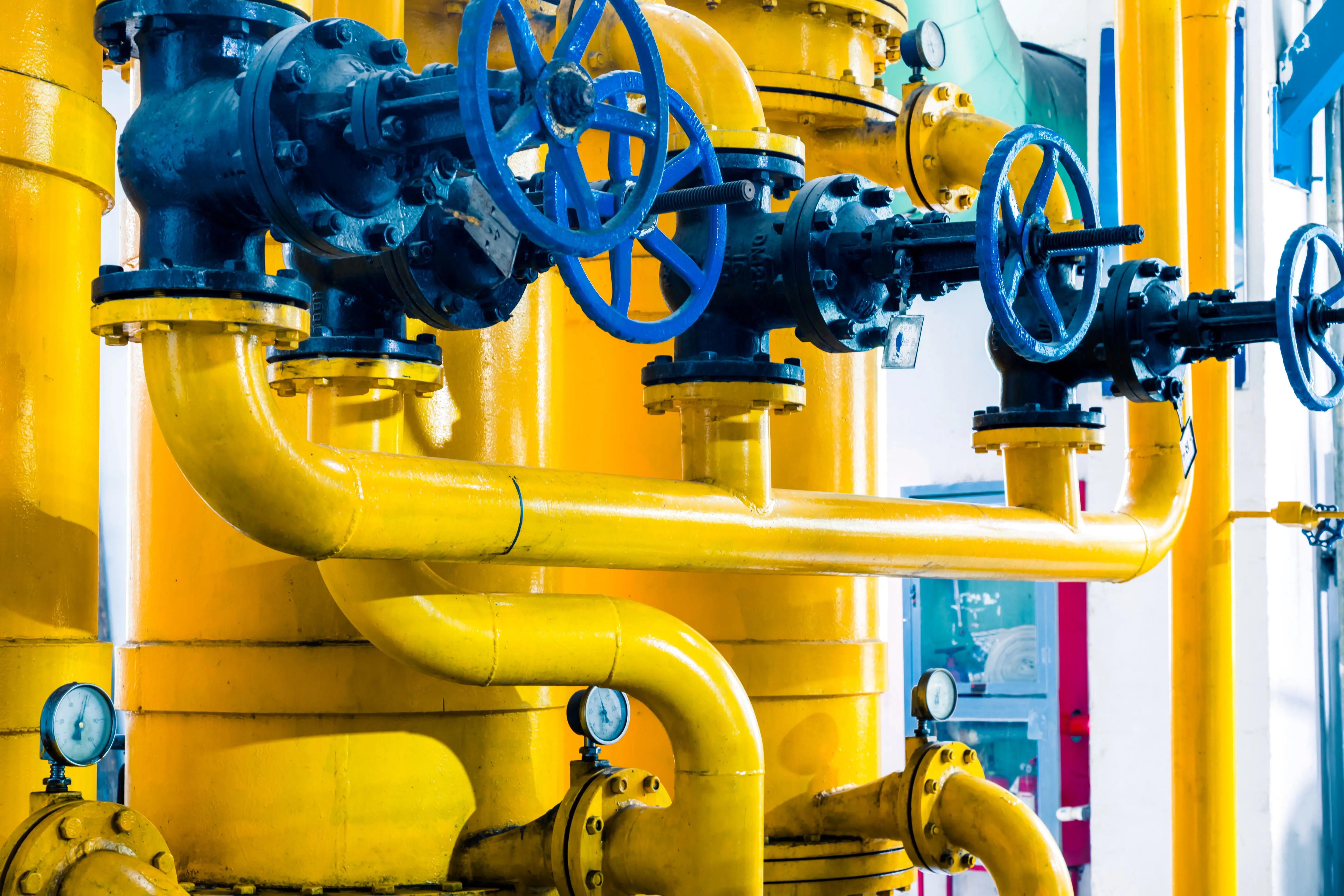

Introduction. The European Union is at a turning point in the energy sector. The issue of Europe's energy security and Ukraine's role in this process have become critical against the backdrop of geopolitical shifts and the challenges of recent years. Stable gas supply security has become a priority for European countries, especially following energy crises caused by conflicts and blackmail tactics from suppliers.
With its key geographical location and developed gas infrastructure, Ukraine acts as a strategic partner in ensuring the energy stability of the region. At the same time, the war in Ukraine and the associated risks have compelled the EU and Ukraine to deepen international legal cooperation in the energy sectorto jointly counter threats and diversify fuel sources. This article examines how cooperation between Ukraine and the EU is unfolding to guarantee energy security, which legal mechanisms and agreements facilitate this, and what steps have been taken to diversify gas supply routes and sources.
Ukraine has traditionally played an important role in European energy due to its gas transmission network. The main gas transmission systems of Ukraine and the EU have historically provided for the transit of a significant portion of natural gas to Europe. A decade ago, more than 60% of Russian gas volumes to the EU were supplied through Ukrainian territory. This made the Ukrainian route a critically important element of Europe's energy security. Consequently, energy security in the EU was closely linked to the reliability of the Ukrainian gas transmission system.
However, with the development of alternative pipelines (bypass routes) and changes in the geopolitical situation, the share of transit through Ukraine gradually decreased. Russia's strategy of building pipelines bypassing Ukraine (such as Nord Stream) aimed to reduce dependence on the Ukrainian route. Ukraine repeatedly warned its European partners that eliminating transit through its territory could undermine regional security—and, unfortunately, these fears were partially realized with the start of Russia's full-scale aggression in 2022. In response, the EU revised its energy strategy, recognizing the importance of Ukraine in its energy security strategy. In particular, studies and analytical reports such as "The Role of Ukraine in the EU's Energy Security Strategy" emphasize that preserving Ukraine's transit potential and supporting its energy sector are in Europe's own interest. By continuing gas transit even during the war, Ukraine gave the EU time to adapt—to build infrastructure and find new fuel sources. Thus, cooperation with Ukraine has become part of a collective response to energy security challenges.
Effective interaction between Ukraine and the EU in the gas sector relies on numerous legal mechanisms for ensuring energy security. One of the key instruments is the Treaty establishing the Energy Community. Ukraine joined the Energy Community in February 2011, by committing to implement EU energy law. This international legal step established the legal framework for energy cooperation between Ukraine and the EU. Since then, Ukrainian legislation has been gradually aligned with European standards, creating a common legal space for energy.
Agreements and Memoranda. In addition to membership in the Energy Community, other agreements are in place to enhance the security of gas supply. In 2014, Ukraine and the European Commission concluded a trilateral protocol involving the Russian Federation, which guaranteed gas supplies during the winter period and defined transit terms. Later, in 2019, a new transit agreement between Naftogaz and Gazprom for 2020–2024 was reached through EU mediation. This agreement not only ensured minimum transit volumes (40 billion m³ per year) but also enshrined the European "ship-or-pay" principle. As a result, even while reducing purchases of Russian gas, the European Union could be confident in minimum transit volumes through Ukraine or receive compensation for their absence. This is an example of how contractual mechanisms promote predictability and stability.
EU Regulations on Security of Supply. At the EU level, Regulation (EU) 2017/1938 concerning measures to safeguard the security of gas supply is in effect. Although Ukraine is not an EU member, it actively cooperates with the European Union within the framework of this regulation as an observer. EU rules require member states to prepare for potential crises in advance: filling gas storage facilities and developing preventive action plans and emergency plans. In 2022, following the start of the war, the European Commission and member states coordinated with Ukraine on emergency equipment supplies, reverse-flow fuel, and financial assistance for winter gas purchases. This was an unprecedented level of cooperation: Ukraine effectively joined pan-European measures for gas supply security, demonstrating solidarity on both sides.
Joint Coordination Bodies. Ukrainian representatives participate in the work of the EU Gas Coordination Group as observers. This group meets to exchange information and coordinate actions in the event of gas supply crises. Furthermore, Ukraine works closely with the European Union Agency for the Cooperation of Energy Regulators (ACER) and ENTSO-G (European Network of Transmission System Operators for Gas) regarding demand/supply forecasting and infrastructure development. All these mechanisms integrate Ukraine into the European energy security space at a practical level.
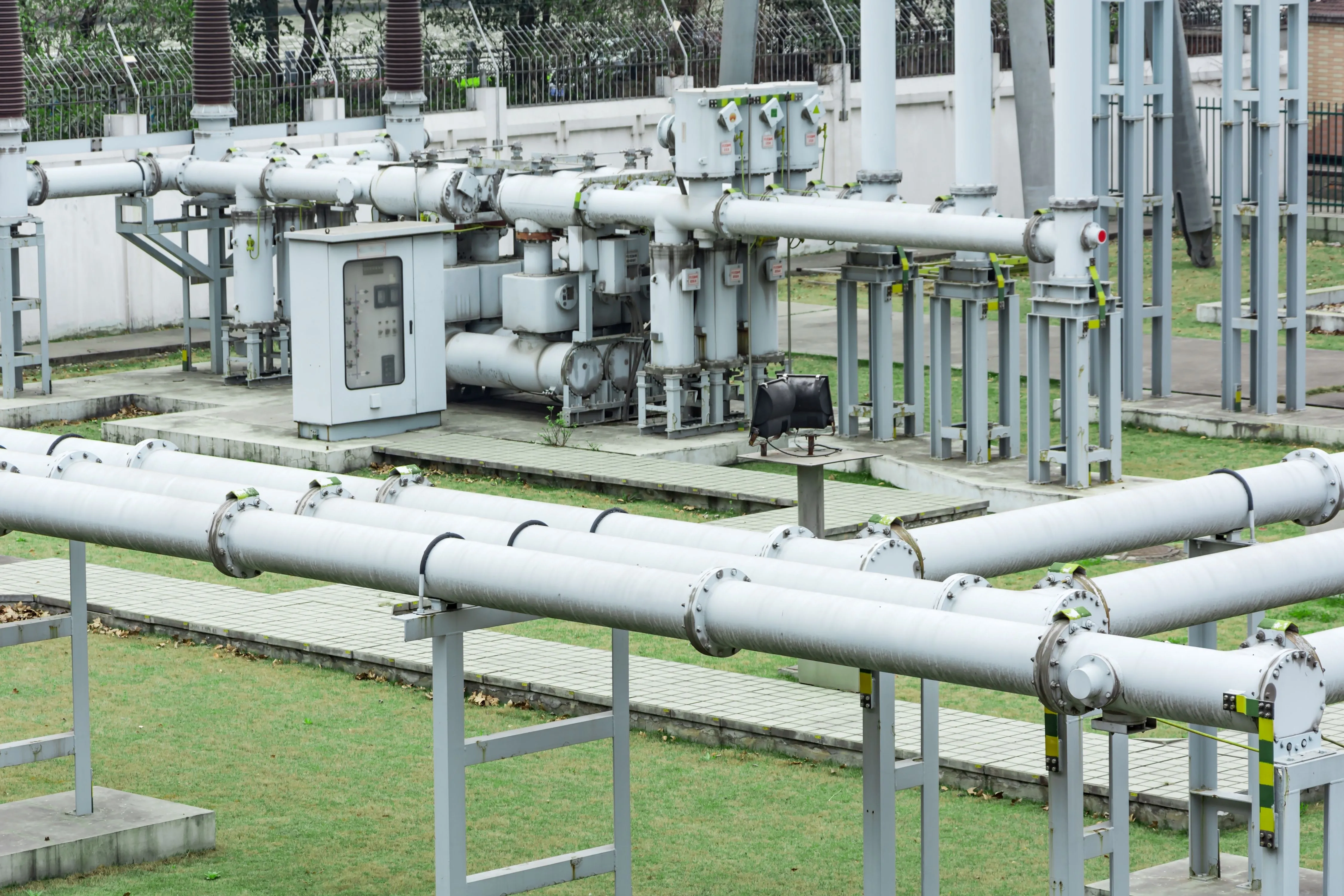
Deepening cooperation is impossible without the coordinated development of domestic markets. Gas market regulation in the EU and Ukraine is now largely unified due to the implementation of European legislation in Ukraine. Since the late 1990s, the EU has been liberalizing its gas market: the Third Energy Package was adopted, providing for the unbundling of companies by activity, the creation of competitive markets, and the establishment of independent regulators. In 2015, the Verkhovna Rada of Ukraine adopted the Law "On the Natural Gas Market," which mirrors the main provisions of European legislation. In accordance with this law, the unbundling of Naftogaz of Ukraine was carried out, resulting in the separation of an independent gas transmission system operator (GTS Operator of Ukraine LLC), which enabled integration with European system operators.
Common Rules and Standards. Ukraine has introduced European network codes, rules for access to the gas transmission system, and tariff-setting mechanisms compatible with EU rules. This means that European traders can participate in the Ukrainian market, store gas in Ukrainian facilities, and carry out swap operations, effectively working under regulations they are familiar with. In turn, Ukrainian companies have gained access to European exchanges and hubs where they can purchase gas. Such regulatory harmonization increases supply flexibility: gas flows can be redirected to where they are most needed, without legal barriers. The legal foundations of energy cooperation are enshrined, in particular, in Annex XXVII to the EU–Ukraine Association Agreement, which provides for the phased implementation by Ukraine of the acquis communautaire in the energy sector.
Consumer protection and competition. EU regulatory standards implemented by Ukraine introduce uniform protection standards for vulnerable consumers, price transparency, and non-discriminatory access to infrastructure. In practice, this means that even in crisis conditions, gas supplies to vulnerable consumers (households, hospitals) must be protected—suppliers of last resort and strategic gas reserves ensure their needs are met. At the same time, competition between suppliers creates incentives for better terms and prices. This is particularly relevant for Ukraine: diversifying gas imports through the EU market has broken the monopoly of a single supplier and ensured more market-based pricing than existed before 2014.
Recent years have taught us that gas supply diversification is a prerequisite for energy security. The EU is working with Ukraine to reduce dependence on a single source or supply route. Since 2022, as part of the REPowerEU plan, the European Commission has actively sought alternatives, concluding new gas supply agreements with countries such as Egypt, Israel and Azerbaijan, to increase supplies to Europe. The European Union has sharply increased imports of liquefied natural gas; LNG terminals across Europe are expanding their capacity to receive tankers from North America, Qatar, and other regions. Simultaneously, investments are being made in new pipelines from Norway and North Africa, and the capacity of the Southern Gas Corridor (supplying Caspian gas) is being expanded.
For its part, Ukraine is also exploring diversification opportunities. Although Ukraine does not yet have its own LNG terminal, it is cooperating with neighbors to utilize their terminals (for example, in Poland or Turkey). Negotiations are underway regarding the supply of liquefied gas via existing routes following regasification at European ports. Another focus is increasing domestic gas production. The Ukrainian government aims to achieve gas self-sufficiency within a few years by stimulating investment in gas extraction, including in the Black Sea shelf (which will become possible once the security situation stabilizes).
Interconnectors and grid flexibility. European countries have built new interconnectors – cross-border gas pipelines – to ensure flow flexibility. Classic examples include the Poland–Lithuania gas interconnector, launched in May 2022, and the Greece–Bulgaria interconnector, launched in October 2022. These have enabled the supply of gas to the Baltic states and Southeastern Europe from alternative directions. For Ukraine, such interconnectors also open up new opportunities. For instance, the interconnector between Poland and Slovakia allows gas to be transported from the Polish LNG terminal to Ukraine via the Slovak network. In the future, following Ukraine's victory, the construction of interconnectors with Romania may be possible to provide access to Caspian gas.
Coordination of diversification efforts between Ukraine and the EU is ongoing. At bilateral summits and within the framework of the Energy Community, steps are being agreed upon that allow both sides to benefit from diversification projects. In effect, infrastructure projects are becoming interconnected: the EU's success in attracting new gas (for example, LNG from the US) also enables Ukraine to access this resource through the single market and physical interconnectors.
One of the most significant successes of this cooperation has been the organization of reverse gas flows from the EU to Ukraine. After 2014, when Ukraine faced the risk of a cutoff in direct supplies from Russia, a mechanism for supplying gas from the European market back into Ukraine was quickly established. This so-called reverse flow was initially carried out via Slovakia (the Vojany–Uzhhorod pipeline), with routes through Hungary and Poland added later. Legally, this became possible because Ukraine and its EU neighbors agreed on the technical and commercial terms for such operations: interconnection agreements were signed between the Gas TSO of Ukraine and the operators of Slovakia (Eustream), Hungary (FGSZ), and Poland (Gaz-System). The European Commission acted as a mediator, helping to remove legal barriers—specifically, by resolving issues regarding "flow direction" in existing long-term contracts. The results were swift: by 2015, Ukraine was already importing more gas from the EU than directly from Russia, and since 2016, it has completely ceased direct purchases from Gazprom. All needs are met through domestic production and imports from the European direction.
Volumes and significance. In recent years, reverse flow volumes have fluctuated depending on Ukraine's needs and market conditions. During cold winters, Ukraine has imported up to 10–12 billion cubic meters per year from Europe, with less in warmer years. In the summer of 2023, foreign traders even began injecting gas into Ukrainian underground storage facilities, taking advantage of Ukraine's large available storage capacity and competitive tariffs. This marks a new stage of cooperation: European gas is temporarily stored in Ukrainian facilities and can be returned to the EU or sold in Ukraine when needed. This integration provides benefits to both sides—Ukraine gains storage utilization and revenue, while the EU gains additional security of gas supply for the winter.
Legal aspect. Reverse flows also required legal solutions. Specifically, it was necessary to amend agreements between operators and adapt technical regulations so that gas could flow in both directions. These changes were made possible through the harmonization of rules: since Ukraine has implemented European network codes, a Slovak or Polish operator interacts with the Ukrainian operator based on the same principles (e.g., rules for daily balancing, nominations, and gas withdrawal). Consequently, international legal cooperation manifested here in concrete contracts between market entities, supported by governments and the European Commission.
.webp)
Gas transit through Ukraine is not just a business matter, but one of international law. Let us conduct a brief international legal analysis of gas transit:
firstly, transit is regulated by bilateral contracts;
secondly, by international obligations. Ukraine and most EU countries are parties to the Energy Charter, a treaty intended to guarantee the uninterrupted flow of transit. Although Russia has effectively withdrawn from this Charter, the principles of free transit remain vital. In 2009, when Russia halted gas supplies through Ukraine, the EU faced the direct impact of a transit conflict on its member states for the first time. Following that incident, the EU drew conclusions: early warning mechanisms were developed, and a monitoring mission was established at gas metering stations to ensure transit transparency.
The international legal aspect also manifested in dispute resolution. In 2018, Ukraine’s Naftogaz and Russia’s Gazprom concluded arbitration proceedings at the Stockholm Arbitration Court. As a result, Naftogaz secured compensation for transit gas not delivered by Gazprom and renegotiated transit tariffs on more favorable terms. This case demonstrated that even a monopolistic supplier can be forced to play by transparent rules through legal dispute resolution mechanisms. The EU supported Ukraine politically, emphasizing that arbitration rulings must be honored, as the rule of law is the foundation of energy cooperation.
The future of transit. The current transit contract expired at the end of 2024. European companies have almost entirely stopped purchasing Russian gas, so from a purely commercial perspective, there is no longer a need for Ukrainian transit for the EU. However, politically, the EU is interested in preventing the complete decline of the Ukrainian gas transmission system. Firstly, this is a matter of supporting Ukraine (transit budget revenues help the economy during the war). Secondly, the factor of unpredictability remains—Russian gas still reaches some European consumers via other routes, and having a backup transit path through Ukraine could be useful in an emergency. Therefore, it is possible that, with the mediation of the European Commission, new transit arrangements or alternative ways of utilizing Ukrainian gas infrastructure (such as future hydrogen transport) will be explored. International legal cooperation will continue in this area to find a solution acceptable to all parties, excluding the aggressor.
It is worth mentioning the broader concept of integrating Ukrainian energy into the European market. This concerns not only gas but also electricity and other resources. In 2022, Ukraine synchronized its power grid with the European ENTSO-E in record time, a necessary step due to the war. This move symbolized the irreversibility of the energy systems' European integration. Regarding the gas market, integration is proceeding by removing barriers: virtual reverse flow is already functioning at borders (exchanging resources without physical flow, through balancing operations), and common IT platforms for capacity booking are being implemented. In the long term, after Ukraine joins the EU, its gas market will become part of the single European gas market de jure, but de facto, the main components of this market are already integrated today.
Mutual benefits of integration. Europe gains significant bonuses from Ukraine's accession:
According to experts, the full integration of Ukraine into the European energy market is a matter of time. Technical and legal obstacles are gradually being removed, and the Ukrainian energy sector is becoming part of a unified system. This increases the resilience of all of Europe against external shocks—as a large, integrated market can more easily withstand the loss of a single source by redistributing resources through alternative routes.
The full-scale war launched by Russia against Ukraine has tested the resilience of Ukraine’s entire gas supply system and its connections with Europe. From the very first days of the aggression, it became clear that logistics needed to be urgently restructured to ensure energy security and supply stability. Russia openly blackmailed Europe with gas, cutting supplies through Nord Stream and via Ukraine. In response, the EU supported Ukraine and other countries in the region as they prepared for the 2022/23 heating season: reserve stocks were quickly established, and Europe shared gas through reverse flows. According to the European Commission, EU countries had filled their storage facilities to over 95% by November 2022, which allowed them to assist neighboring states when necessary.
Operational decisions. When the Russians significantly restricted transit through Ukraine in June 2022 (leaving only the route via the Sudzha station), Ukraine still maintained the stability of its system. The Gas TSO quickly rerouted flows within the country, using backup connections to deliver gas from the west to consumers in the east. The Ukrainian government implemented gas-saving measures and increased withdrawals from underground storage, anticipating that summer imports might be unstable. Meanwhile, the EU urgently implemented legal mechanisms for ensuring energy security in the event of a complete cutoff of supplies from Russia, a plan was adopted to voluntarily reduce demand by 15%, along with a joint gas purchasing mechanism to prevent market panic.
Solidarity and support. During the war, Ukraine benefited for the first time from the principle of energy solidarity with the EU. European countries provided not just words, but concrete action, enabling the transfer of critical volumes of gas to Ukraine during the winter. Furthermore, international financial institutions (the EBRD and the World Bank) provided funds, guarantees, and risk insurance for Ukraine to purchase imported gas. This allowed Naftogaz to buy enough gas on the European market to get through the winter, even with minimal transit. Thanks to these joint efforts, the 2022/23 and 2023/24 heating seasons passed without critical disruptions to gas supplies for Ukrainian consumers. European experts note that this case will become a textbook example of how international legal cooperation and mutual support helped maintain the energy system during wartime.
Conclusion
The experience of recent years has convincingly proven that energy security is a shared endeavor that knows no borders. By joining forces, Ukraine and EU member states have significantly increased the region's resilience to energy shocks. From reforming markets and aligning regulatory frameworks to building new interconnectors and establishing reverse flows, systematic work and a strategic vision for a shared energy future are evident everywhere. Russia's aggressive actions have only accelerated these processes, uniting Ukraine and the EU on the path toward complete energy independence from Russia.
Through cooperation, diversification, and legal safeguards, security of gas supply in Europe has reached a new level. Each side has gained its own advantages: the EU has secured alternative sources and routes, while Ukraine has gained integration into a single market and the support of partners at a critical moment. There is still much work ahead, particularly regarding the future of transit and the post-war reconstruction of the energy sector. However, the foundation of mutual trust and legal certainty that has been laid allows us to look to the future with optimism.
Ukraine is already, de facto, part of the European energy family. This is underpinned not only by political declarations but also by real agreements, joint projects, and Ukraine's implementation of EU legal standards, which have demonstrated the effectiveness of the union.
Further development requires both investment and legal support for natural gas market participants: suppliers, traders, gas production companies, and large (systemic) consumers.
Highly qualified professionals can assist with such matters, specifically lawyers and attorneys specializing in energy and resource law.
The team at Fedotov & Partners has significant experience in energy law and regulation. We are capable of providing professional support in the implementation of international energy projects, the drafting of purchase and sale contracts, the import and export of natural gas, and full legal support for the implementation of infrastructure projects in the natural gas and electricity sectors. Our experience allows us to expertly guide clients from the initial negotiation stage with counterparties to obtaining licenses and providing turnkey legal support for energy transactions.

.jpg)

.jpg)

.jpg)


.jpg)
.webp)